Easter Chick in Disguise: A Designer's Review
As a designer who spends countless hours evaluating machine embroidery design assets for both personal projects and client work, I approach every new download with a critical eye. The market is flooded with generic spring graphics, so finding a piece that truly stands out requires looking beyond the thumbnail. Today, I am putting Easter Chick in Disguise through its paces to see if it holds up under the scrutiny of real-world stitching. This isn't just another cute clipart; it is a potential hero asset for your seasonal catalog, but only if you understand how to execute it correctly.
First Impressions: Character and Composition
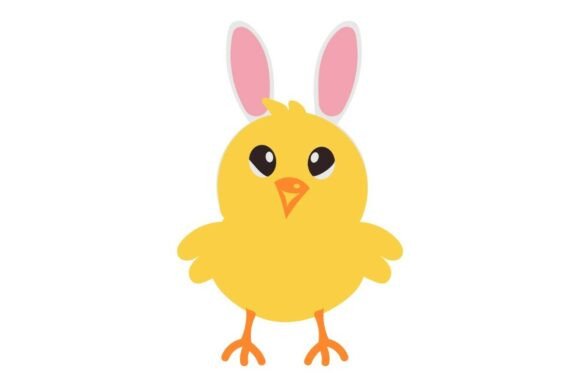
The moment I opened the preview file, the personality of this character jumped off the screen. It is a funny and adorable illustration of a yellow chick wearing pink bunny ears. The concept leans heavily into "fake it til you make it" humor, which resonates perfectly with the current trend of witty, relatable Easter greetings. Visually, the layout is balanced, avoiding the common pitfall of being too top-heavy or bottom-light. For a digital product seller or an Etsy seller, the visual appeal is immediate. It has that playful spring vibe without feeling cluttered.
However, as a professional, my first thought was always about translation from screen to stitch. The shape is organic and rounded, which is excellent for embroidery because it minimizes sharp corners that can cause thread breakage or puckering. The contrast between the bright yellow body and the soft pink ears suggests a need for careful thread colors selection to ensure the pink doesn't get lost against lighter fabrics. In terms of Graphics within the broader Crafts category, this design feels like a modern mascot rather than a traditional, stiff holiday icon.
Real-World Application: From File to Fabric
To truly test the viability of Easter Chick in Disguise, I imagined preparing a custom embroidered tote bag for a local boutique client. Tote bags are a staple for small businesses, often made from canvas or heavy cotton. In this scenario, the design shines. The bold outlines of the chick would likely translate well into a running stitch or a narrow satin stitch border, while the body could be filled with a dense fill stitch to create a solid, vibrant look.
I also considered using this as a sweatshirt embroidery project. On a heather grey hoodie, the yellow would pop beautifully, making it a standout piece for a limited-edition spring drop. The "disguise" theme makes it incredibly giftable. Imagine a personalized gift for a friend who loves rabbits but identifies more as a chicken, or a nursery decor item for a baby shower. The humor adds a layer of engagement that customers love, increasing the perceived value of the finished product.
For those creating embroidered patch designs, this character is ideal. Patches require clear silhouettes, and the chick's distinct shape works perfectly for die-cutting or laser cutting after stitching. Whether you are selling these as standalone items or attaching them to denim jackets and backpacks, the design maintains its integrity. It is versatile enough to serve as a logo for a craft business specializing in handmade goods or as a decorative accent on kitchen towels and aprons.
Navigating Technical Challenges
While the design is strong, there are specific situations where Easter Chick in Disguise requires caution. If you plan to use this on very thin fabric or highly textured materials like terry cloth, the density of the fill stitches might cause puckering. Always test the design on scrap fabric first. You need to confirm the stitch density is appropriate for your specific material weight.
Another consideration is the hoop size. While the character looks compact, the inclusion of the bunny ears extends the height of the design. Ensure your hoop accommodates the full vertical span without crowding the edges. Crowding can lead to uneven tension and poor registration. If you are working with curved surfaces like caps, the placement becomes critical. The round head of the chick fits a cap front well, but the ears might distort slightly depending on the curvature. A test run is non-negotiable here.
When working with dark fabrics, the yellow body will require a white underlay to appear true to color. Without it, the yellow may look muddy or dull. Similarly, the pink ears need sufficient coverage to stand out against darker backgrounds. Check your embroidery file settings to ensure the underlay is optimized for your specific machine and thread type. Also, avoid placing tiny lettering near the design unless the font is robust; the focus should remain on the character itself.
Strategic Advice for Designers and Makers
If you decide to integrate Easter Chick in Disguise into your workflow, follow these practical steps to ensure professional results:
- Test on Scrap Fabric: Never skip the test run. Stitch the design on a piece of the actual fabric you intend to use to check for puckering and color accuracy.
- Check Thread Contrast: Verify that the pink and yellow threads provide enough contrast against your chosen background. Use a printable mockup to visualize different color combinations before committing to expensive thread.
- Inspect Small Details: Zoom in on the eyes and beak. These are the focal points of the character's expression. If they are too small, they may not stitch clearly, ruining the "adorable" factor.
- Use Proper Stabilizer: Regardless of the fabric, use a high-quality stabilizer. For stretchy fabrics like jersey, a tear-away or cut-away stabilizer is essential to maintain the shape of the chick and ears.
- Review Licensing: Before selling any handmade product featuring this design, confirm the licensing terms. Ensure you have the right to sell finished goods or digital files if you are reselling the asset.
- Compare Light and Dark Backgrounds: Test the design on both light and dark swatches to see how the colors shift. This helps you offer consistent quality across your inventory.
Final Verdict: Is It Worth Your Time?
In conclusion, Easter Chick in Disguise is a refreshing addition to the spring design landscape. It moves away from clichés and offers a humorous, engaging character that appeals to modern buyers. For the small shop owner looking to boost their holiday embroidery sales, this asset provides a unique selling point. It works exceptionally well on custom apparel, baby embroidery items, and home decor accents.
However, its success depends entirely on execution. Treat it with the respect it deserves by testing thoroughly, choosing the right stabilizer, and paying attention to color matching. When done right, this design elevates a simple embroidery project into a conversation starter. It builds customer trust through quality and adds a touch of personality that mass-produced items lack. Whether you are a hobbyist making gifts or a professional managing a commercial embroidery line, this chick in disguise is ready to hop into your next collection—if you give it the technical care it needs.